The Ultimate Guide to Full-Spectrum vs. Broad-Spectrum CBD for Anxiety
From City Pulse to Inner Calm: The 2026 Perspective on Wellness
Life in the New York metropolitan area runs on momentum. Commutes. Meetings. Social plans. Notifications layered on notifications. The external environment is high-energy, always accelerating.
But internally? Most of us are searching for something much softer, a steady sense of ease, what we might call carefree kindness.
In 2026, wellness is no longer just about “fixing” anxiety after it spikes. It’s about proactive nervous system regulation. It’s about finding ways to vibe higher without disconnecting from productivity. It’s about tools that help you stay sharp, social, and steady at the same time.
That’s where the conversation around full-spectrum vs broad-spectrum CBD for anxiety becomes more nuanced and more interesting.
Understanding the difference between these two extracts isn’t just about chemistry. It’s about choosing the right experience for your body, your lifestyle, and your goals.
Let’s decode the spectrum.
Decoding the Spectrum: What’s the Real Difference?
CBD extracts are categorized by how well they preserve the original plant profile.
Full-Spectrum CBD
Full-spectrum CBD is the most “unaltered” form of the plant. It contains a complete range of naturally occurring cannabinoids, terpenes, and flavonoids, including trace amounts of THC (legally under 0.3%).
This means you’re getting:
- CBD
- Minor cannabinoids like CBG and CBN
- Aromatic terpenes
- Trace THC
The goal? Maximum synergy, what researchers refer to as the entourage effect.
Broad-Spectrum CBD
Broad-spectrum CBD starts as a full-spectrum extract but has the THC intentionally removed.
You still get:
- CBD
- Minor cannabinoids
- Terpenes
But you get 0.0% THC.
This makes it ideal for people who:
- Prefer THC-free stress relief
- Are subject to workplace testing
- Want a gentler entry into CBD
Let’s simplify it:
| Feature | Full-Spectrum | Broad-Spectrum |
| Cannabinoid Profile | Complete (CBD, CBG, CBN, etc.) | Complete (minus THC) |
| THC Content | Trace (under 0.3%) | 0.0% (THC-Free) |
| The “Lift” | Robust/Heightened | Milder/Mellow |
| Primary Goal | Max Entourage Effect | THC-Free Clarity |
To answer that, we need to explore synergy.
The Science of the Entourage Effect
Synergy Over Isolation
Early CBD products focused on isolated CBD, pure cannabidiol without supporting compounds. But emerging entourage effect science suggests CBD works more effectively when paired with minor cannabinoids and terpenes.
Think of it like a band versus a solo artist. CBD might be the lead singer, but CBG, CBN, and terpenes shape the emotional tone.
Research increasingly suggests that whole-plant extracts may amplify calming outcomes compared to isolated CBD. Many users report a more rounded, balanced sensation with full-spectrum formulas.
This synergy may allow lower dosing while still achieving noticeable benefits.
Nervous System Signaling & Vagal Tone Support
CBD’s calming effects are linked to its interaction with the endocannabinoid system (ECS), which plays a role in stress response, mood regulation, and overall homeostasis.
But the story doesn’t stop there.
Some emerging frameworks position CBD as a tool for vagal tone support, meaning it may influence communication between the brain and body via the vagus nerve. Healthy vagal tone is associated with stress resilience, emotional regulation, and balanced nervous system activity.
Instead of numbing stress, CBD may support the body’s ability to adapt to it.
And that brings us to another under-discussed advantage: how the plant is grown.
The “Sunshine Advantage”: Why Sourcing Is Your Secret Weapon
Not all CBD is grown equally.
Terroir & UV Light
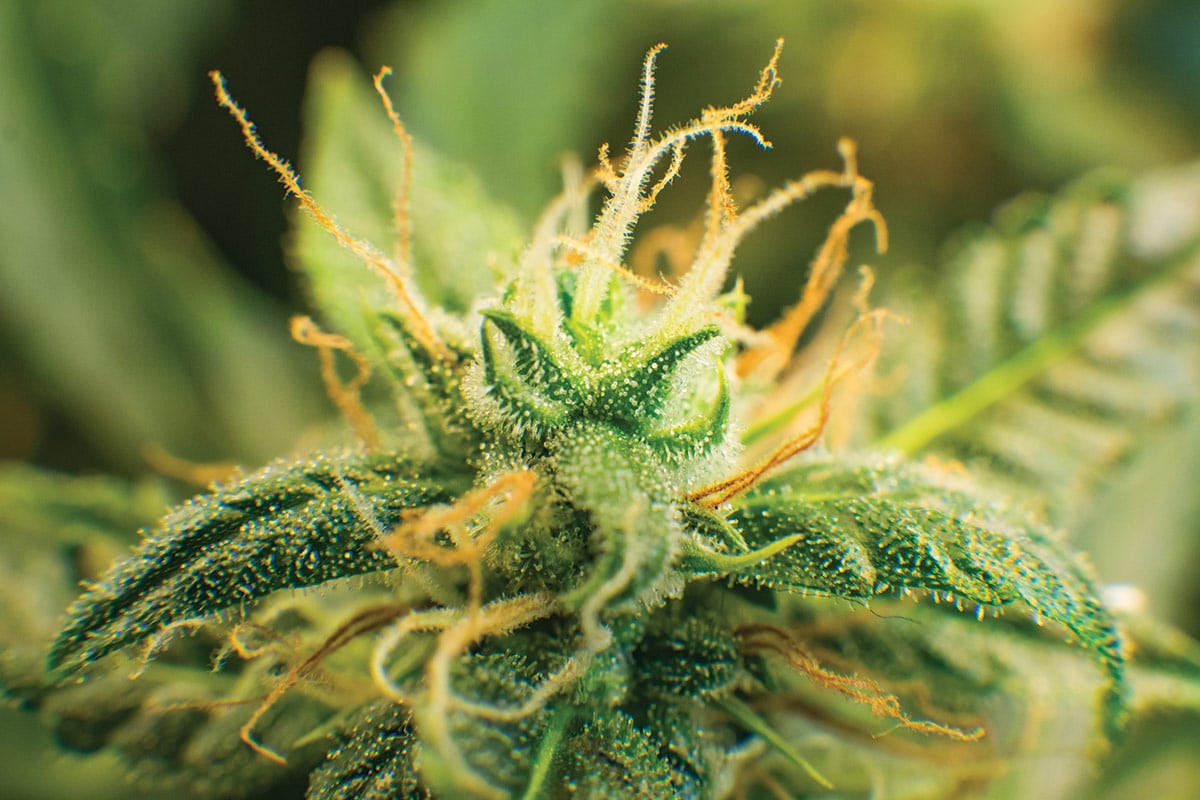
Sun-grown CBD flower benefits extend beyond sustainability. Natural sunlight, particularly UV exposure, stimulates greater terpene expression, including sesquiterpenes like β-caryophyllene.
Why does that matter?
β-caryophyllene is unique because it directly interacts with CB2 receptors, which are associated with immune modulation and mood balance. This terpene is often highlighted in research exploring stress resilience.
In contrast, indoor-grown cannabis is cultivated in energy-intensive, controlled “lab” environments that may prioritize yield consistency but limit natural UV-driven terpene complexity.
Sun-grown plants often express a broader chemical fingerprint, one that enhances the entourage effect.
Sustainability Matters
Sun-grown CBD also has a lower carbon footprint compared to indoor cultivation, which requires heavy energy consumption for lights, HVAC systems, and environmental controls.
For many 2026 consumers, sustainable cultivation aligns with broader wellness values. Plant integrity and environmental integrity are connected.
So what does the research say when it comes to anxiety specifically?
Clinical Insights—What the Research Says About Anxiety
The 2022 Evidence
Recent observational and clinical studies have explored CBD’s impact on anxiety and mood regulation.
Notably, some 2022 findings suggest that whole-plant, full-spectrum extracts may provide a swifter reduction in anxiety symptoms compared to isolated CBD. Participants often reported improvements in both stress and depressive symptoms over sustained use.
While more large-scale randomized trials are needed, current data supports the idea that synergy matters.
The Dose-Response Curve
One interesting finding across studies is that full-spectrum products may require lower doses compared to CBD isolate due to enhanced bioavailability.
In other words, because cannabinoids and terpenes work together, the body may absorb and utilize them more efficiently.
This matters when finding your “sweet spot.”
But before we do, we need to zoom out, because CBD isn’t just about anxiety anymore. It’s becoming part of a broader cultural shift.
The 2026 Lifestyle Shift—CBD as an Alcohol Alternative
Across the U.S., social habits are changing. Movements like “Dry January,” “Sober Curious,” and the “75-Day Hard” challenge reflect a growing desire to socialize without alcohol. CBD has entered that space as a mindful alternative.
Social Flow Without the Fog
Low-dose full-spectrum products are increasingly used to create a subtle sense of relaxation without next-day grogginess.
Users describe it as:
- Relaxed but present
- Calm but conversational
- Unwound but alert
This “social flexibility” allows for engagement without compromising early-morning productivity.
For professionals balancing high-pressure careers in the New York metro area, this matters. CBD isn’t about checking out. It’s about staying centered while staying in. And that makes product transparency essential.
The Trust Standard—Transparency, COAs, and Purity
Third-party Verification
Not all CBD products are created equal. Reputable brands provide batch-specific Certificates of Analysis (COAs) from independent third-party labs verifying:
- Cannabinoid content
- Absence of heavy metals
- Absence of pesticides
- Microbial safety
If you cannot easily access a COA, consider that a red flag.
Personalized Insight
The future of wellness is data-informed, not data-obsessed. While you don’t need to track every biomarker, it can be useful to pay attention to how different spectrums affect:
- Sleep quality
- Mood stability
- Midday energy
- Focus
Your nervous system is unique. The right spectrum is the one that aligns with your lived experience.
Finding Your Spectrum
The “Sweet Spot”
Across the industry, 25 mg of CBD is commonly referenced as a standard starting point for noticeable efficacy without overconsumption. Many users report that this amount provides calming support without what some call a “gummy hangover.”
Full-spectrum users may require slightly lower doses due to entourage amplification, while broad-spectrum users may prefer incremental increases.
The Selection Guide
Choose Full-Spectrum if you:
- Want maximum entourage effect potency
- Are comfortable with trace THC
- Seek deeper stress or evening relaxation support
Choose Broad-Spectrum if you:
- Require THC-free stress relief
- Are sensitive to THC
- Prefer clarity during work hours
There’s no universal best option—only the one that matches your lifestyle.
Closing the Loop: From Spectrum to Self
The difference between full-spectrum vs broad-spectrum CBD for anxiety isn’t just chemical. It’s experiential. It’s about how you want to feel walking into a high-energy environment.
It’s about whether you’re looking for robust synergy or THC-free clarity. It’s about aligning your internal state with your external ambitions.
In 2026, wellness isn’t reactive. It’s a proactive nervous system support that helps you move through the city and your day with steadiness.
If you’re curious about which spectrum aligns with your vibe, visit West Coast Wellness at American Dream Mall.
Our team can walk you through:
- Flavor profiles
- Potency ranges
- Sun-grown sourcing options
- Full-spectrum vs broad-spectrum selection
Because finding your flow shouldn’t feel complicated.